.svg)
Which electrical appliances need Portable Appliance Testing (PAT)?
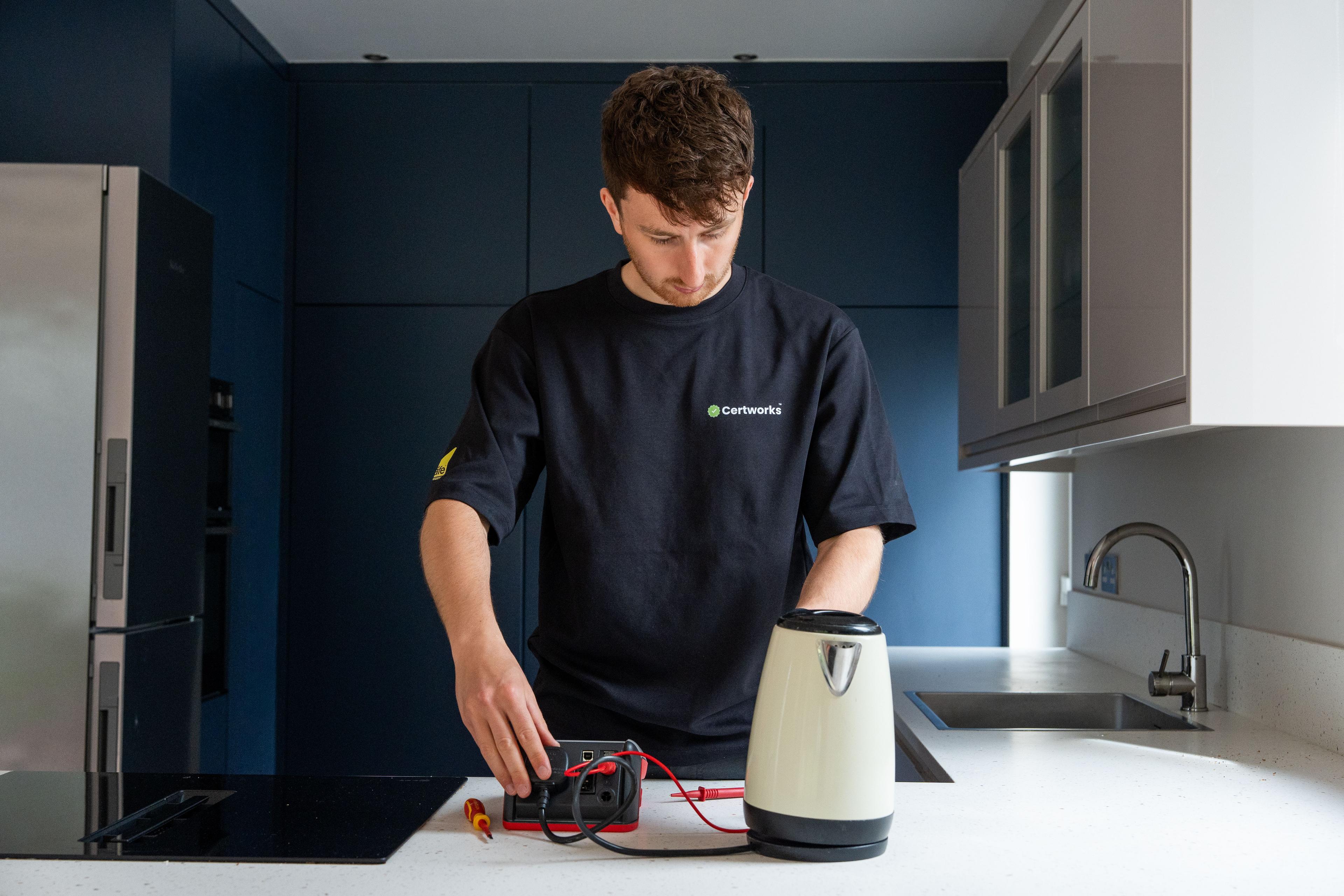
Find out which workplace and rental-property appliances are commonly included in PAT testing, and why not every item needs the same checks.
Which electrical appliances need Portable Appliance Testing (PAT)?
There isn’t a fixed list of electrical appliances that every business must have PAT tested. The right checks depend on the equipment, how often it is used, whether it is moved around, and the conditions it is used in.
PAT testing is commonly used to help check plug-in electrical equipment in workplaces, rental properties and other premises. The aim is to make sure appliances are safe to use and that any problems are identified and recorded.
Appliances commonly included in PAT testing
The following plug-in appliances are often included:
- Kettles, toasters, microwaves and coffee machines
- Lamps, fans and portable heaters
- Vacuum cleaners
- Computers, monitors, printers and chargers
- Extension leads and multi-socket adaptors
- Portable power tools and other workshop equipment
In a short-term rental property, this might include guest-facing appliances such as a kettle, toaster, microwave, lamp, hairdryer or vacuum cleaner.
The list will vary from one property or workplace to another. A site may have dozens of similar appliances, or a smaller number of items that are moved and used in different conditions.
Does every appliance need a PAT test?
No. PAT testing is one way of checking electrical equipment, but not every item needs the same level of inspection or testing. A visual inspection is an important part of the process, and some faults may be visible without using a test instrument.
Equipment that is frequently moved, heavily used, or exposed to damage may need closer attention. For example, a power tool used on a building site is likely to face more wear than a computer that stays in a clean, dry office.
Equipment in better condition and used in a lower-risk setting may need less frequent formal inspection. The checks should reflect the appliance and how it is actually used.
What about built-in or fixed appliances?
Built-in or hard-wired equipment, such as fixed lighting or a built-in oven, is generally considered part of the property’s fixed electrical installation rather than a portable appliance. It may need to be considered as part of an appropriate electrical inspection, such as an Electrical Installation Condition Report (EICR).
Some larger appliances are plugged in rather than hard-wired. Whether they can be included in a PAT testing visit depends on the equipment and whether it can be accessed safely.
What does a PAT test check?
A PAT test involves a visual inspection, with further testing where appropriate. The checks can help identify issues such as damage to a plug or cable, loose connections, signs of overheating, or an electrical fault.
The results should be recorded so the person responsible for the equipment can see which items passed and whether anything needs attention. If an appliance fails, it should not continue to be used until the issue has been assessed and dealt with.
Arranging PAT testing
If you’re unsure which appliances to include, start with the plug-in equipment provided or used at your premises. Think about which items are moved regularly, used frequently or more likely to be damaged.
You can use the Book Now button on the Certworks website to answer a few questions, get a quote, check live availability and book a visit. Certworks currently carries out PAT testing across Fife, Dundee and Edinburgh. If your premises are elsewhere in Central Scotland, get in touch to check whether we cover your area.