.svg)
How often should Portable Appliance Testing (PAT) be carried out?
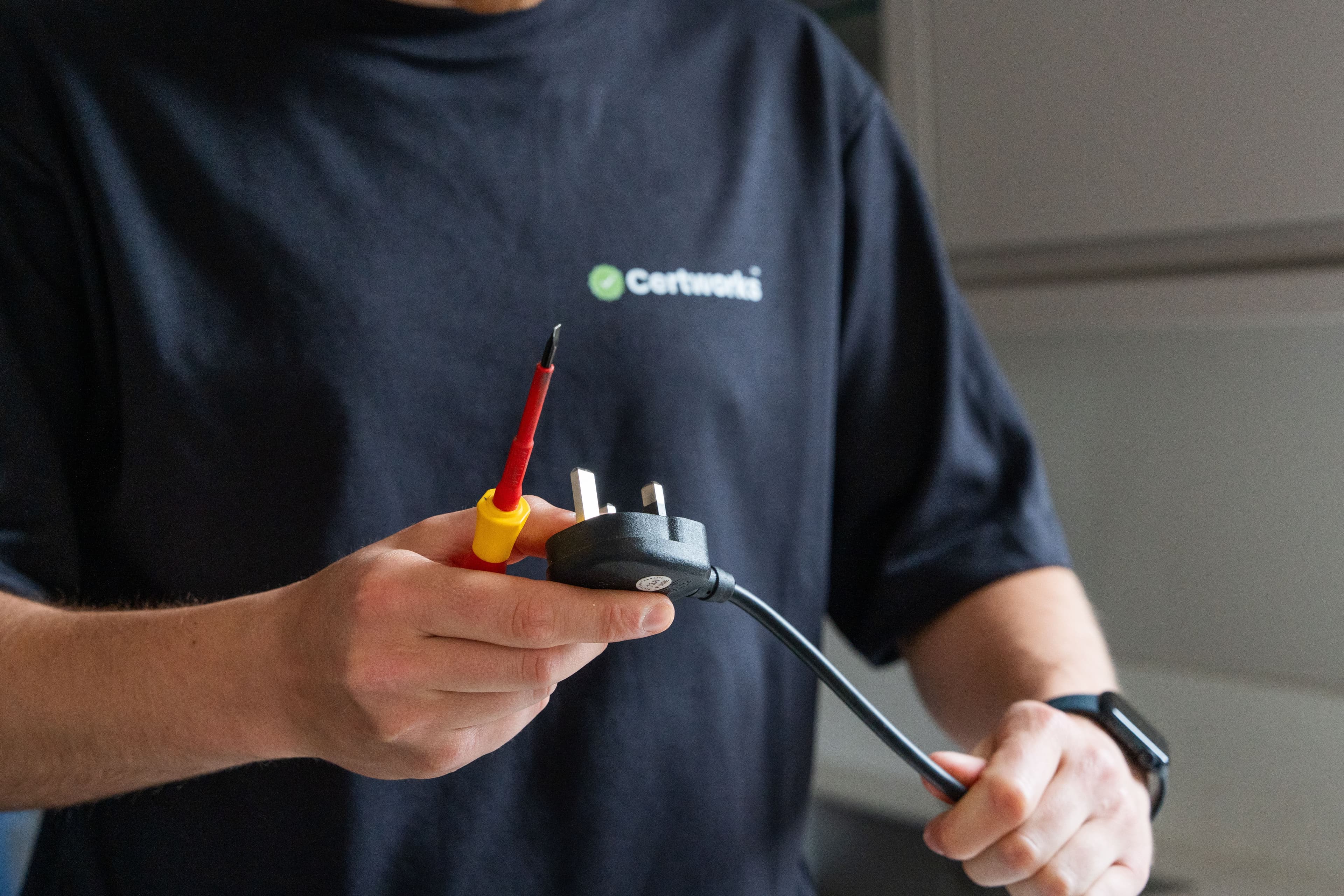
There’s no single PAT testing interval for every appliance. Find out what affects the frequency of checks and why annual testing isn’t always necessary.
How often should a PAT test be carried out?
There isn’t one fixed interval for every appliance. How often equipment needs to be checked depends on the type of appliance, how it is used, the environment, and the results of previous checks.
An annual PAT test is not automatically required for every appliance. Some equipment may need regular inspection and testing, while in a low-risk workplace, visual checks may be enough for certain items.
What affects the PAT testing interval?
Think about how likely an appliance is to become damaged or unsafe before deciding how often it should be checked. Relevant factors include:
- Whether it is moved often or stays in one place
- How frequently it is used
- Whether it is handled roughly or used by lots of people
- Whether it is used somewhere damp, dusty, hot, or outdoors
- The condition of its plug, cable and casing
- The faults found during previous checks
A power tool used daily on a building site is exposed to more wear and damage than a desktop computer that stays in a clean, dry office. They shouldn’t automatically be given the same inspection schedule.
HSE suggested starting intervals
The HSE provides suggested starting intervals for different types of equipment and workplaces. These are guides to help build a maintenance plan, not fixed rules that apply to every business.
- Office IT, such as desktop computers and photocopiers: Formal visual inspection every 1 to 2 years. A combined inspection and test may not be needed for double-insulated equipment. For other equipment, the HSE suggests up to 5 years.
- Earthed equipment, such as some kettles: Formal visual inspection every 6 to 12 months, with combined inspection and testing every 1 to 2 years.
- Equipment used by the public, such as in hotels: Staff user checks, formal visual inspection every 3 months, and combined inspection and testing every year.
- 230V equipment on construction sites: User checks daily or each shift, formal visual inspection weekly, and combined inspection and testing before first use on site, then monthly.
The right interval still depends on the actual equipment and conditions. These examples shouldn’t be used as a substitute for assessing your own workplace.
What types of checks are involved?
A maintenance plan can include more than a PAT test. It may involve:
- User checks: Someone using the appliance looks for obvious damage, such as a cracked plug, damaged cable, or burn marks.
- Formal visual inspections: A competent person examines the appliance, plug and cable more closely.
- Combined inspection and testing: A visual inspection is carried out alongside electrical tests using a suitable PAT tester.
The right mix depends on the equipment and the risk. Some faults can be spotted visually, while others need electrical testing to identify them.
When should you review the interval?
Review your inspection and testing schedule if the way equipment is used changes, if it moves into a harsher environment or if checks start finding more faults.
Previous results can help guide your next decision. If few faults have been found over time and the equipment is in good condition, a competent person may consider whether a longer interval is appropriate. If faults are common, the interval may need to be shortened or the cause of the damage addressed.
Equipment should also be checked after an incident that may have affected its safety, such as damage, repair or a significant change in use.
What about rented property in Scotland?
For Scottish private rented property, an electrical safety inspection must be carried out before the property is first let and then at intervals of no more than five years. The inspection includes the fixed electrical installation and relevant appliances provided by the landlord.
That five-year interval is not automatically the right retest interval for every appliance. The person carrying out the inspection may set an earlier retest date for particular items, and the landlord should follow that advice.
Does every appliance need a PAT test every year?
No. There is no blanket rule requiring every appliance to have a PAT test every year. The frequency should reflect the equipment, how it is used, the environment and its maintenance history.
A date on a test label can help you keep track, but it doesn’t replace a sensible maintenance plan or checks for damage between tests.
Arrange PAT testing in Fife, Dundee or Edinburgh
Certworks is based in Fife and provides PAT testing across Fife, Dundee and Edinburgh. If your business is elsewhere in Central Scotland, get in touch, and we’ll confirm whether we can help.
If you’re unsure how often your equipment should be checked, contact us to discuss the appliances and how they’re used.